Philadelphia Drivers Feel the Squeeze as Gas Prices Pass $4 a Gallon
The national average for regular gasoline has topped $4 for the first time in four years, and Philadelphia prices are running above it as the Strait of Hormuz stays largely closed.
By Aever Bundji ·
The national average price of gasoline has climbed above $4 a gallon for the first time in four years, according to AAA, and drivers in Philadelphia are paying more than the national figure. Prices last reached these levels when Russia invaded Ukraine in 2022.
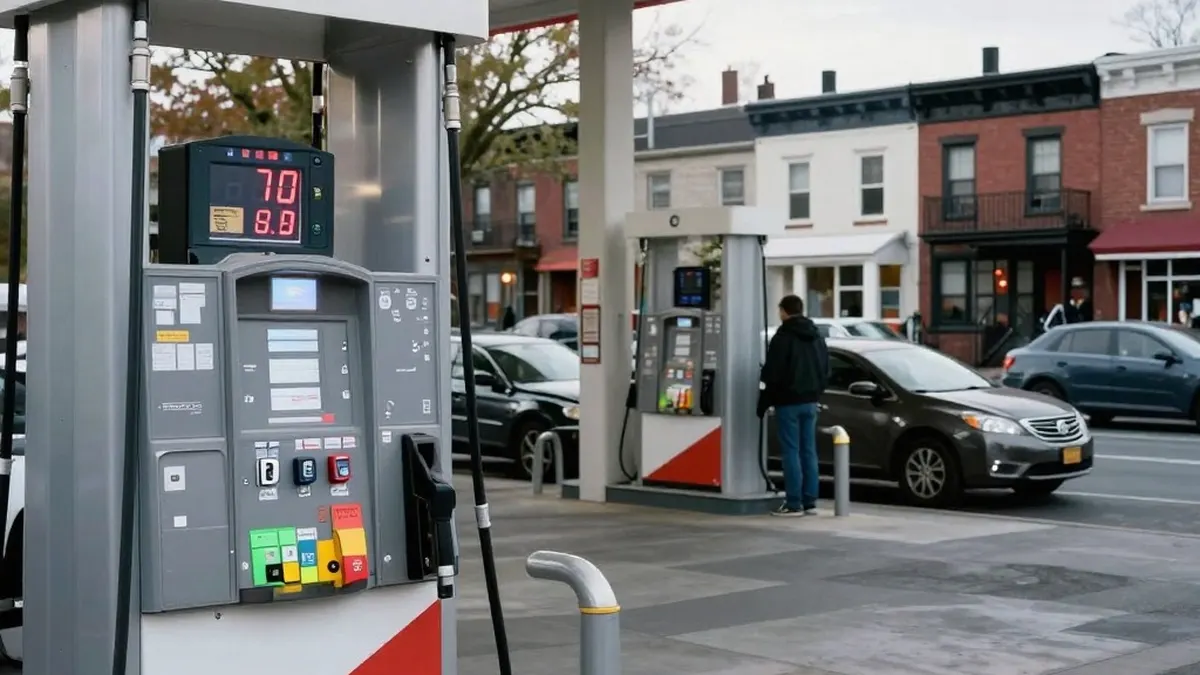
As of Thursday, regular gasoline averaged $4.08 nationwide. Philadelphians may pay between $4.10 and $4.17 on average, and some stations are charging as much as $5. A month ago, the national average hovered around $3 per gallon. Diesel in Pennsylvania has risen to an average of $5.94.
The increase is tied to America's and Israel's war with Iran. The Strait of Hormuz remains largely closed to oil shipments, and about 20% of the world's crude oil normally moves through the waterway.
At a Sunoco station at 6th and Girard streets, where regular cost $4.79 a gallon on Thursday, Ricki Glass said filling her Range Rover used to cost about $80 and now costs $94. She said the added cost comes to roughly $300 a month for her family of five. "We have a two-parent household and it's still really hard to survive with inflation costs," Glass said. She blamed President Donald Trump and the war with Iran. Customer Pete Rivera said the increase hits the lowest earners hardest. "Almost $5 gas, it's ridiculous, it's absurd," he said.
Neale Mahoney, a professor of economics at Stanford University, said that although the United States exports fossil fuels, oil is priced on a global market. Losing 20% of supply, or even 10% of product, raises prices worldwide, "including at the gas station around the corner," he said.
Mahoney expects prices to keep rising and peak in May at an average of $4.25 per gallon. He does not expect steep drops once the strait reopens, citing what economists call "rockets and feathers": prices spike quickly but fall slowly. He said it may take until midsummer or later for gas to return to about $3, where it stood before the war began.
Mahoney and colleagues at Stanford's Institute for Economic Policy Research calculated that the war and the resulting shortage of crude on the world market will cost the average American family $850 more this year. Households with electric vehicles or access to public transit would see smaller costs, while rural residents who drive longer distances could pay much more. He said the higher fuel costs could more than offset the relief families are due to receive in rebate checks, and could erase expected gains from tax breaks in the One Big Beautiful Bill Act.
The effects extend beyond the pump. Jet fuel prices, which Mahoney said account for about 30% of an airline ticket, have doubled, and he expects the impact to grow as the higher cost works through the system. About one-third of the world's fertilizer also passes through the Strait of Hormuz, which could affect fall crops and food costs. Higher diesel prices add further pressure, Mahoney said: "From the field to the store, those diesel costs get passed through."
Source: WHYY